
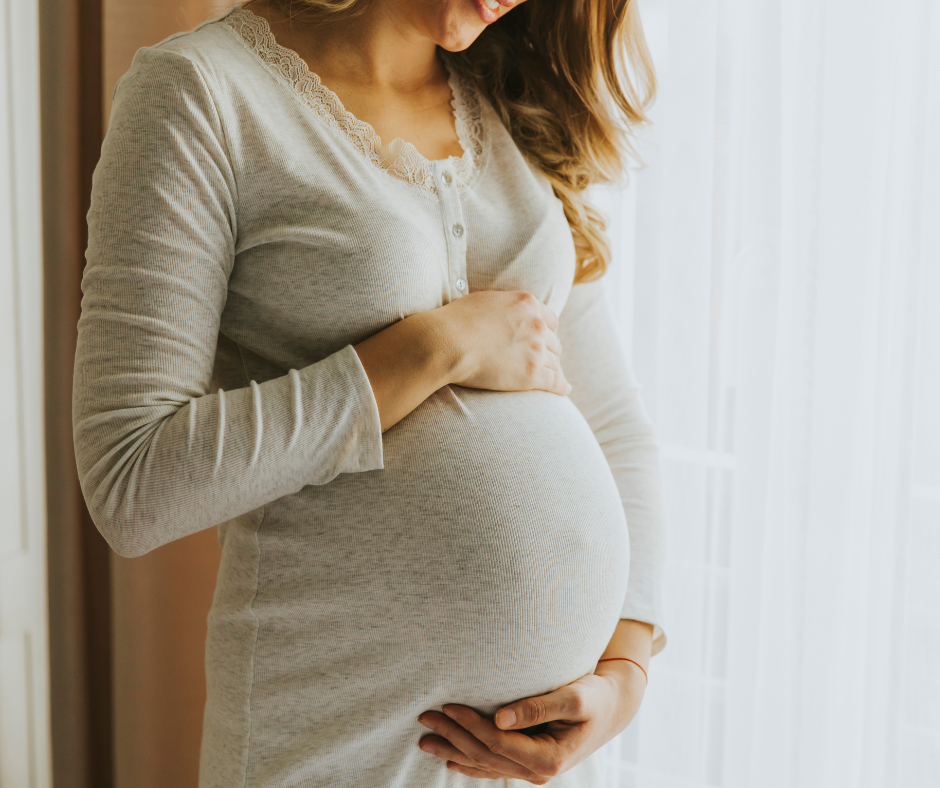
Pregnancy changes skin in ways that surprise even people who have followed the same routine for years. Oil production shifts, a cleanser that never stung before suddenly does, and darker patches can appear across the cheeks and forehead within a few months.
Clients at Evolution Lash Studio & Spa in Sea Girt, New Jersey regularly ask whether it is still safe to keep their facial appointments, and the answer deserves more detail than a quick yes or no. This guide brings together what major health references say about facials during pregnancy, points out where those references disagree, and explains how the Epicutis Pregnancy Facial at the studio was designed around that guidance.
Which facials are generally considered safe during pregnancy?
Surface level facials are the category most health references describe as safe. Minor facial treatments are generally fine when they only affect the surface of the skin, while treatments that break the skin carry a small risk of infection and are best avoided. Deep cleansing facials, oxygen facials, and hydrating facials among the options appropriate for expecting mothers. In practice, that means a pregnancy facial leans toward hydration, comfort, and barrier support, performed by an esthetician who selects every product knowing you are expecting.
Timing in the first trimester is a separate question, and providers differ. Some spas offer gentle facials from the start of pregnancy, while others ask clients to wait, so your OB or midwife is the right person to set that boundary for you. If your pregnancy involves any complications, get their approval before booking anything at all.
What is the Epicutis Pregnancy Facial at Evolution Lash Studio & Spa?
The Epicutis Pregnancy Facial at Evolution is a gentle, results-driven treatment created for expecting mothers who want healthy, radiant skin without compromising safety. It is performed with the clinically formulated Epicutis skincare line and focuses on calming inflammation, strengthening the skin barrier, and restoring hydration, with no harsh actives, no retinoids, and no unnecessary irritation.
The treatment is built around the changes pregnancy hormones tend to bring, including sensitivity, breakouts, melasma, and dehydration, and it is designed to feel as restful as it is effective. Epicutis is fragrance free, which matters for clients whose sense of smell has become unusually sharp, and the studio describes the line as safe during pregnancy. You can see the full menu on the skin treatments page.
Which treatments and ingredients should wait until after delivery?
Retinoids, hydroquinone, medium and deep peels, and high strength salicylic acid top nearly every list of things to postpone. Oral retinoids are known to cause birth defects, and although medical journals report that harm from topical retinoids appears unlikely based on 2020 research, it still advises avoiding them until after pregnancy. Formaldehyde and phthalates rarely appear in professional facials but can hide in over-the-counter products, so reading labels at home matters.
Peels depend heavily on strength and depth. A 2013 study concluded high dose salicylic acid products, including peels, should be avoided during pregnancy, while low dose over-the-counter products have been reported as safe by the American College of Obstetricians and Gynecologists.
Medium and deep peels, including trichloroacetic acid (TCA) peels, are generally postponed as well, and safety research on TCA in pregnancy is limited. Heat and device based treatments are commonly paused for a similar reason, since their effects in pregnancy have not been well studied.
Why do health sources disagree about glycolic and lactic acid?
They disagree because the research is thin, and each source fills the gap differently. Peels using glycolic or lactic acid are considered safe during pregnancy because of their low penetration. Glycolic acid among the acids endorsed for acne during pregnancy and the small amounts found in over-the-counter products as likely safe.
Some medical advice advises avoiding topical glycolic acid due to the underlying problem: there are no large-scale randomized studies of virtually any of these treatments in pregnant women, so guidance rests on how deeply a product is thought to penetrate and on data borrowed from other uses. That gap is the reason the studio’s pregnancy facial leaves out harsh actives entirely, and the reason anything stronger belongs in a conversation with your OB or midwife.
How can you handle melasma and breakouts during pregnancy?
Protection does more for pregnancy pigment than correction does. Melasma, often called the mask of pregnancy, is one of the most common concerns clients bring in, because pregnancy hormones can stimulate extra pigment and sun exposure is widely understood to deepen it.
Since stronger lightening treatments are on the postpone list, the most useful steps are daily sunscreen, a wide-brimmed hat on bright days, and gentle skin care that adds no irritation. The studio carries Colorescience, a physician recommended sun care line that the studio describes as protecting against UVA, UVB, blue light, and infrared radiation, and the team can walk you through the options on the shelf. Check any sunscreen with your OB. Pigment that appears during pregnancy may soften after delivery, and whatever remains can be addressed with a treatment plan once your provider clears you.
Breakouts follow a similar pattern. Hormonal changes in early pregnancy can worsen acne and tend to improve in later stages, but azelaic acid, topical benzoyl peroxide, and low dose topical salicylic acid are recommended for acne during pregnancy. Treat that as a list to discuss with your OB before trying anything new.
What about lashes, brows, and waxing while pregnant?
Research on lash extensions, lash lifts, brow lamination, and waxing during pregnancy is much thinner than research on skin care ingredients, so there are fewer firm rules to quote. Many clients keep up their lash and brow routines throughout pregnancy.
Skin and eyes can become more sensitive, though, which can change how you react to adhesives and solutions you tolerated before. Lash lifts and brow lamination use chemical solutions, so they are best cleared with your OB first. Mention any new itching, swelling, or irritation to your artist right away, and read our guide to red or itchy eyes after lash extensions for what to watch for.
When you book, tell the team you are expecting so they can talk through your options before your appointment.
What should you tell your esthetician before the appointment?
Share how far along you are, anything your OB or midwife has asked you to avoid, and every product you use at home, including prescription acne treatments and any retinol you have not yet stopped.
Mention new sensitivities, including a stronger reaction to scent, since fragrance is one of the first things many expecting clients find difficult to tolerate. Comfort deserves a mention too. Later in pregnancy, lying flat on your back for an hour can feel uncomfortable, and an esthetician who knows ahead of time can adjust the table position and add support.
Finally, ask which products will be used. A good esthetician will name them without hesitation and will not mind if you check them with your doctor.
How do you build a gentle routine between visits?
A simple routine of a gentle cleanser, a rich moisturizer, and daily sun protection covers most of what pregnant skin needs. ACOG recommends a heavy moisturizer during pregnancy, and pausing retinol and any acids your OB has flagged removes the most common sources of irritation. Introduce anything new one product at a time so a reaction is easy to trace.
Fragrance-free formulas are worth considering, and our article on fragrance-free skincare explains how to spot hidden fragrance on a label. Epicutis, the line used in the studio’s pregnancy facial, is available through the studio’s shop.
Frequently asked questions
Can I get a facial in my first trimester?
Providers differ. Some offer gentle facials from the beginning of pregnancy and others prefer clients to wait, so ask your OB or midwife first and then tell your esthetician how far along you are.
Is a HydraFacial safe during pregnancy?
The basic steps of cleansing, exfoliating, and hydrating are gentle, but the serums chosen matter because some contain ingredients expecting clients are advised to avoid. Ask which serums would be used and check with your OB.
Is dermaplaning safe during pregnancy?
Dermaplaning works on the surface of the skin, which is the main thing providers look for, but it should be approved by your OB and skipped over irritated or inflamed skin.
Can I use retinol while pregnant?
Health references generally advise avoiding retinoids, including retinol, during pregnancy. Pause them and ask your OB about alternatives.
Are chemical peels safe during pregnancy?
Medium and deep peels, TCA peels, and high strength salicylic acid peels are generally postponed until after delivery. Very light, low strength exfoliation is debated among sources, so ask your OB before including it.
Ready to book? You can reserve the Epicutis Pregnancy Facial online or text the studio at 732-336-9847. Evolution Lash Studio & Spa is located at 2153 Highway 35, Unit 5, Sea Girt, NJ 08750, and welcomes clients from Wall Township, Spring Lake, Belmar, Brielle, Brick, Eatontown, and Point Pleasant.
This article offers general information and is not medical advice. Check with your OB or midwife before starting any new treatment during pregnancy.

Design by Ederra Design | Managed by Divergent Marketing and Branding
©2026 Evolution Lash Studio & Spa
Policies
Terms & conditions
